Social mobility ambassadors
From 2015 to 2023, we ran a social mobility ambassadors scheme to promote role models from non-traditional backgrounds who had achieved their ambitions and now wanted to support their peers and prospective solicitors.
About the scheme
Through school events, mentorship, workshops and case study interviews, our social mobility ambassadors shared their stories and achievements.
The scheme aimed to raise the aspirations of students considering legal careers and show that, regardless of social background, the profession welcomes talent, tenacity and a strong work ethic.
Past social mobility ambassadors
Our past social mobility ambassadors are accomplished and talented individuals from all walks of life.
Our last cohort of ambassadors shared their experiences of entering the profession, including the challenges they faced and how they overcame them.
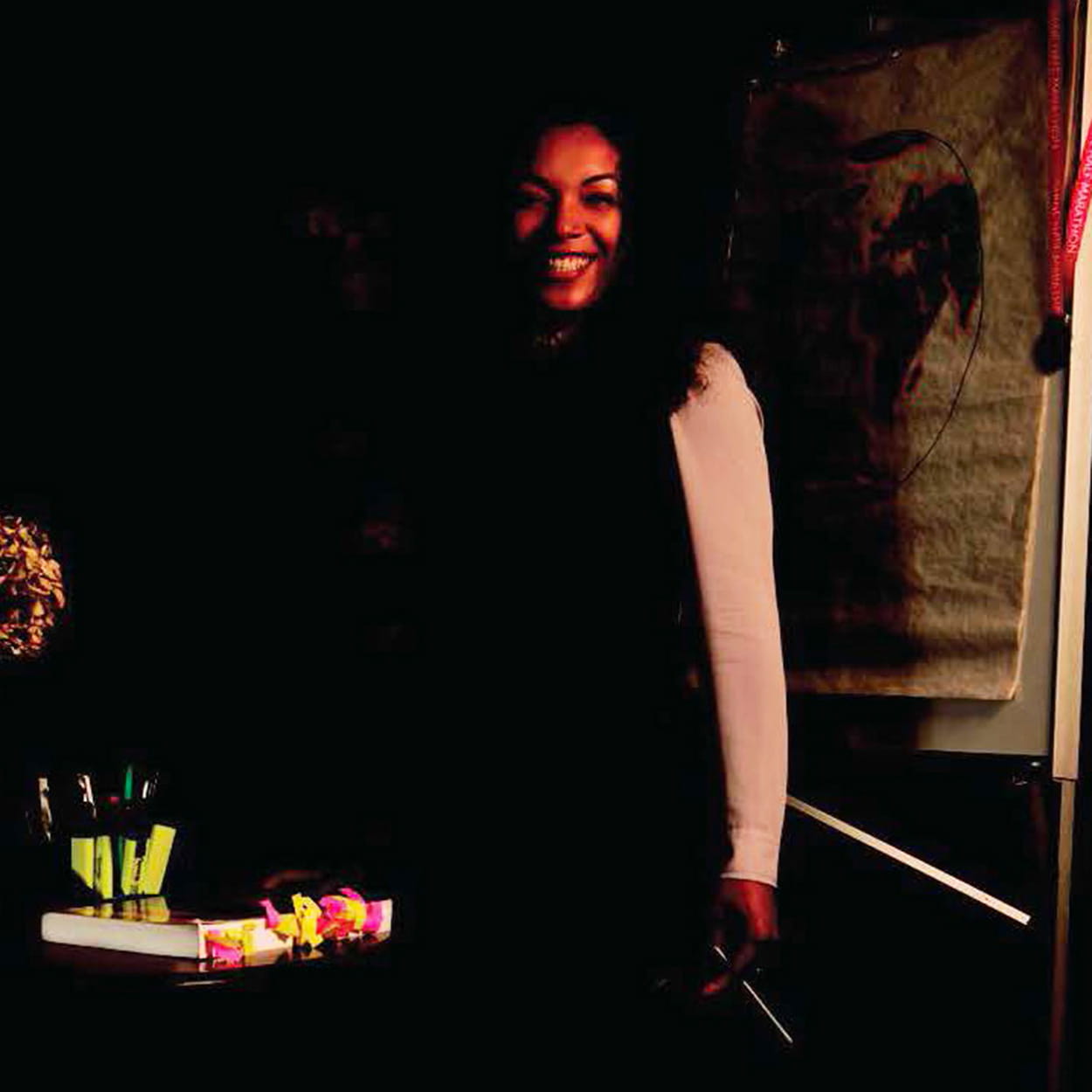
Adele is a senior associate at Kingsley Napley.
“I got to where I wanted with nothing but hard work. I had a difficult childhood and had no support from my parents. I didn’t have a desk or computer and moved six times while studying for my degree. I’m not the typical ‘tick box’ training contract applicant, but I am now a solicitor.”
Adele’s advice
“Keep going, be stubborn and find the right firm for you that values your worth.”
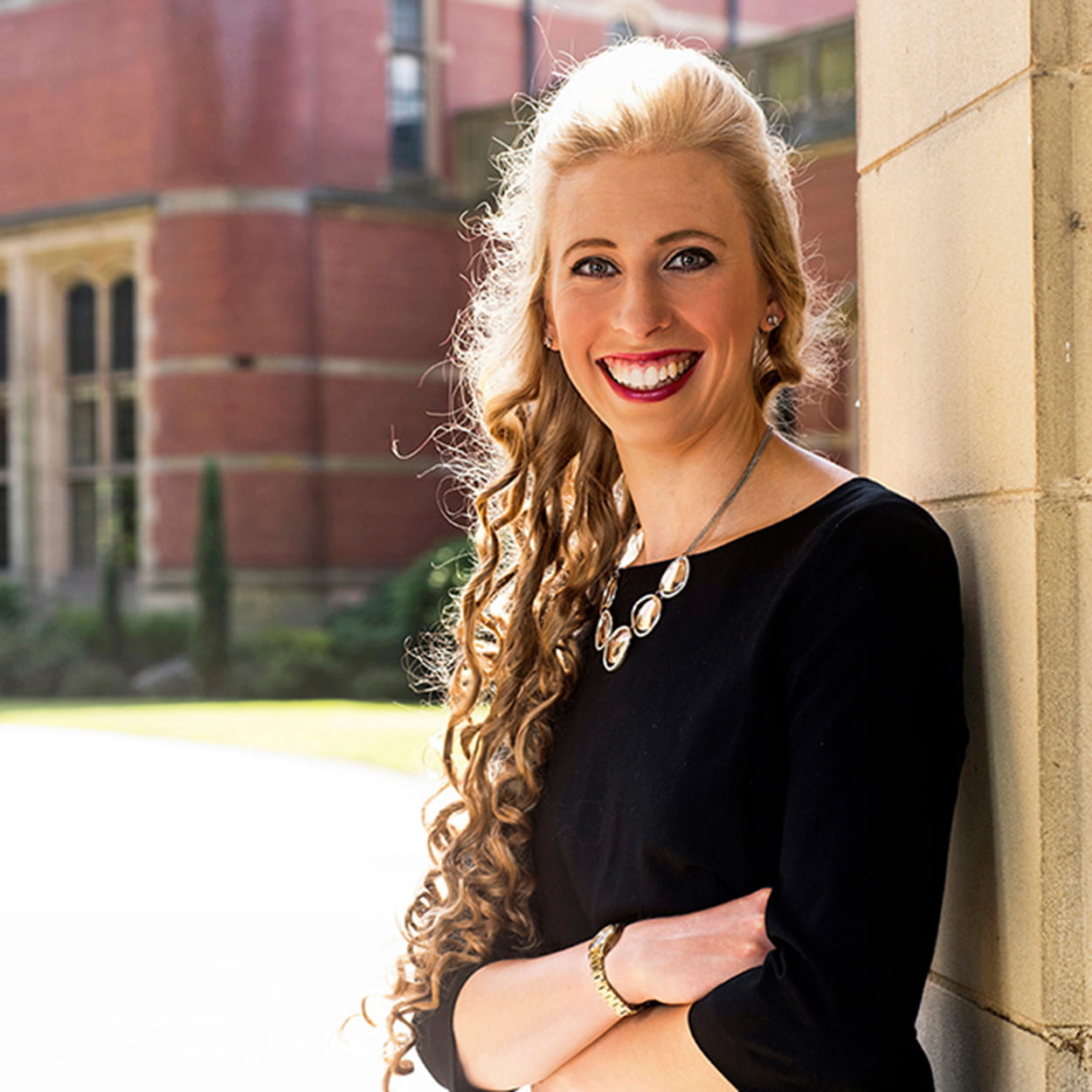
Alice is an employment and pensions lawyer.
“I grew up in a working-class family. My parents didn’t attend university or have legal connections.
“As I progressed in my legal journey, I realised there was a lot of information and advice I would have benefited from at an earlier stage and saw a real need for centralised social mobility support.”
Alice’s advice
“To get the highest rewards, you must be prepared to put in the effort. To benefit the most, you must really put yourself out there and get involved as much as you can.
“You should always be vocal about your goals. Nobody will know what you want to achieve if you do not tell them.”
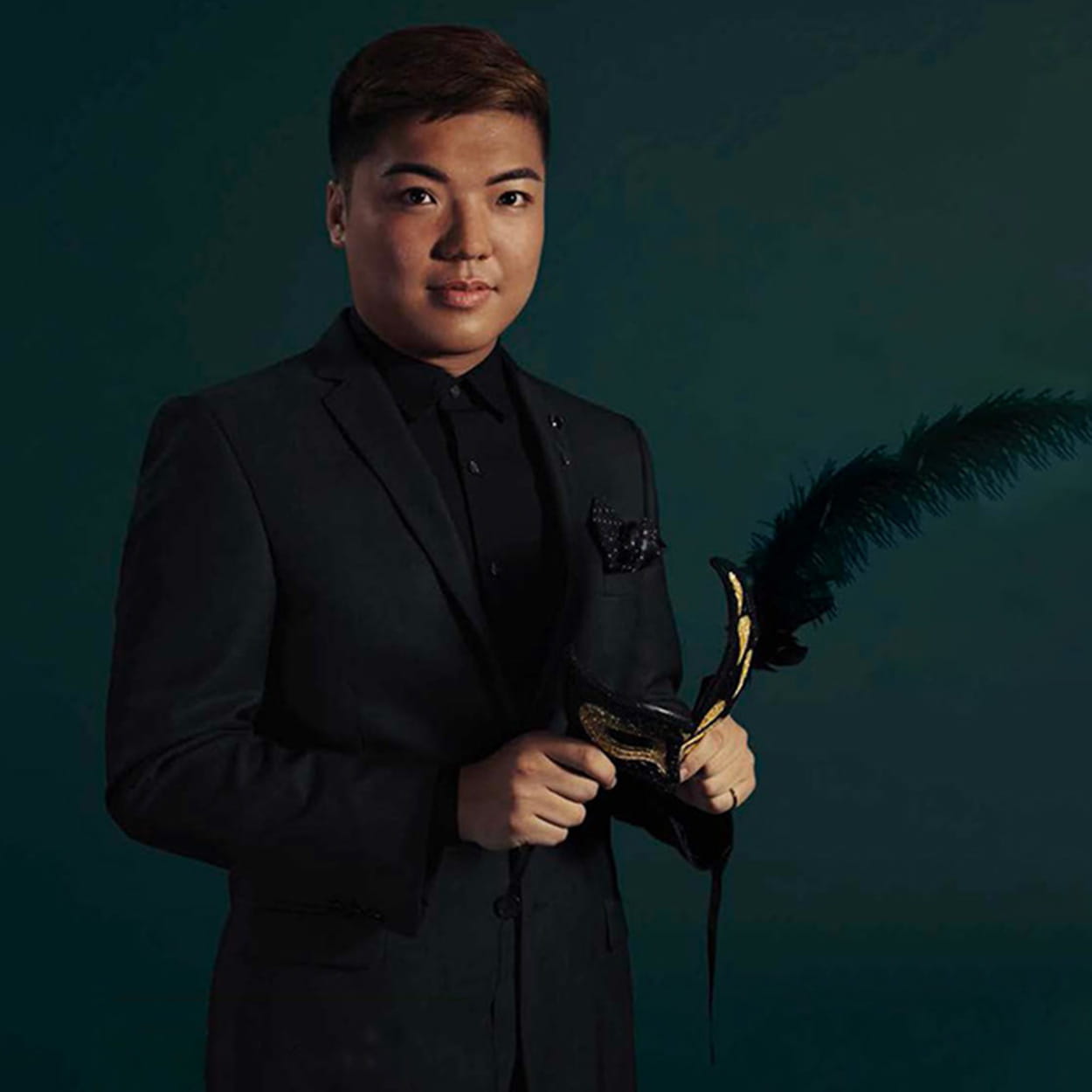
In his time as an ambassador, Billy was a trainee solicitor at Carters Solicitors.
“It was a challenging time, not only financially, but because I had no friends, family or connections in the country. There was also a significant change in culture and English is my third language.
“I miss my family, although I did have a difficult relationship with them. During one visit back to Hong Kong, my parents suggested I shouldn’t return to university to finish my law degree. They thought the different culture was a bad influence.
“I have never let my circumstances define me. I am motivated to be the best person and solicitor I can be, and hope I can prove my family wrong. Diligence and perseverance are as important as intelligence for solicitors.”
Billy’s advice
“My advice to aspiring solicitors, particularly those from a minority group, is to embrace what makes you different. Don’t let anxiety about your differences defeat you.”
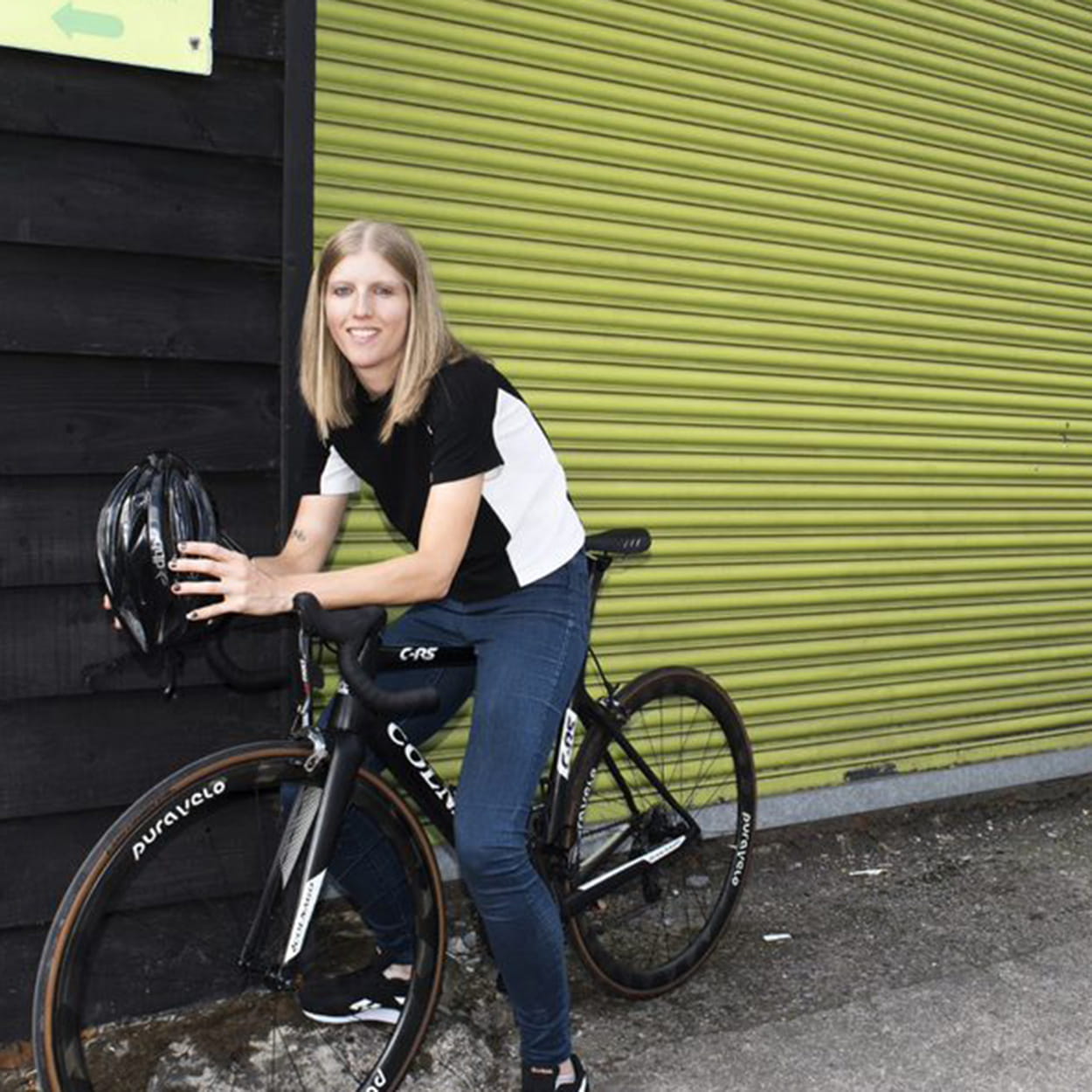
During the scheme, Clare was a senior associate at Capital Law.
“I believe that the profession could be far more inclusive than it is.
"Many people will look at those in the profession and think they cannot make it purely because their background doesn’t fit, or because of the area they grew up in. I want to help drive the message that that isn’t true.”
Clare’s advice
“Get some practical experience before fully committing to pursuing a career in this profession.
"Working practically in law is so different from studying it and I don’t think you really know if it’s right for you until you get some practical experience. It’s also important to try out different areas.”
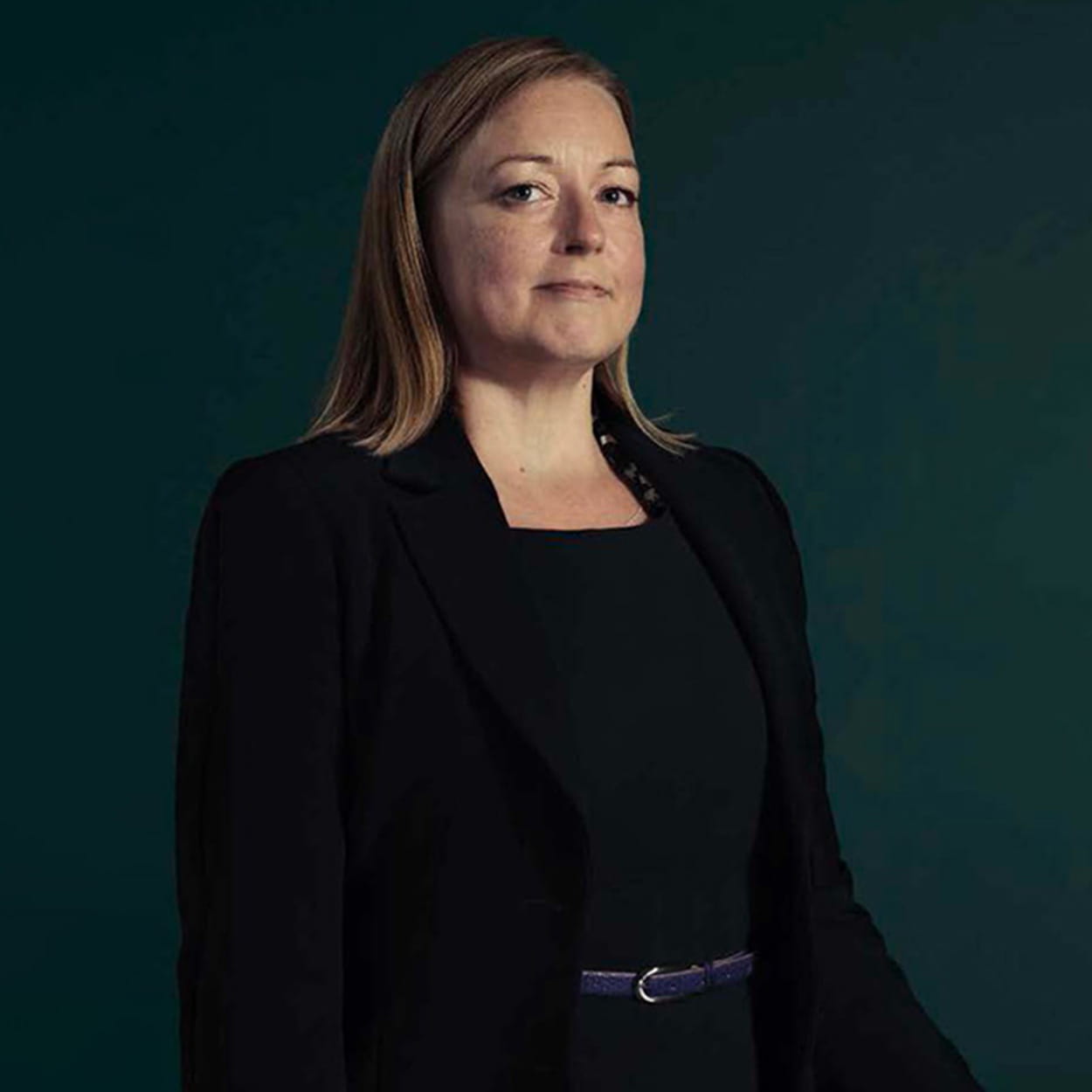
Gemma was a senior associate at DLA Piper before she sadly passed away in March 2022.
“Law is such a highly regarded profession and I never thought someone like me from my background could become a solicitor.
"I’ve come to realise that imposter syndrome is a daily challenge for those of us from unstable family settings in particular. But it does seem to me that what we lack in confidence is counter-balanced with sheer tenacity.”
Gemma’s advice
“Give non-traditional routes into the profession some thought; they’re under-utilised and not promoted as much as they should be. Experience is highly prized and learning on the job gives you the opportunity to gain more.
"Traditional routes may be a quicker way to qualification, but that is not the end goal. Experience, above all, moulds capable individuals into well-rounded lawyers.”
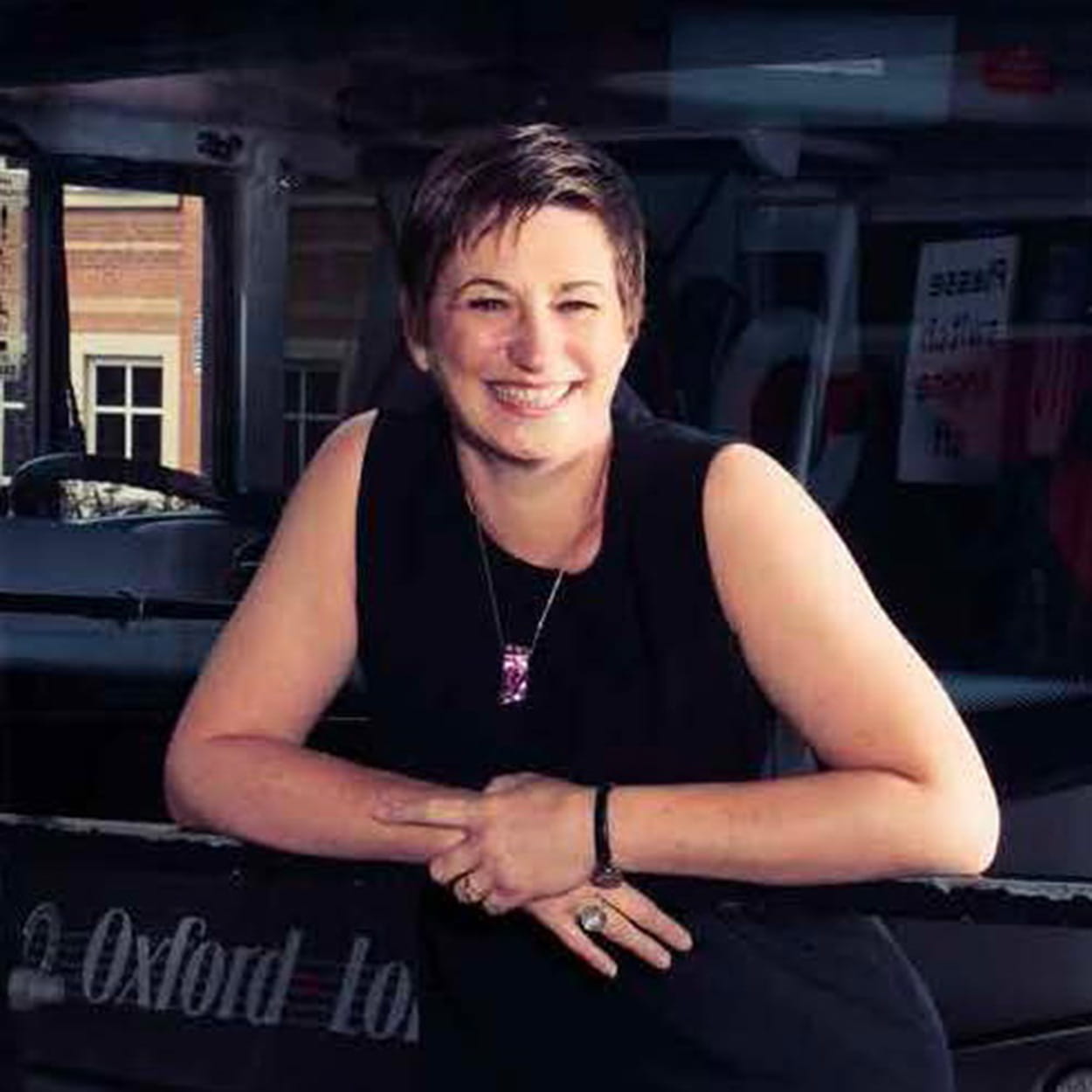
Georga is a mental health lawyer.
“Due to poor A-level results, I was unable to get into university straight away and ended up going to study a degree in ancient history aged 28.
"I still had not studied law, and only finally realised my dream by completing the conversion course when I was 40.”
Georga’s advice
“If you really want to do it, you will put the work in, and you will achieve what you want to achieve. It’s just a matter of making the decision. Once you’ve made the decision, then it’s small steps and you work to get it.”
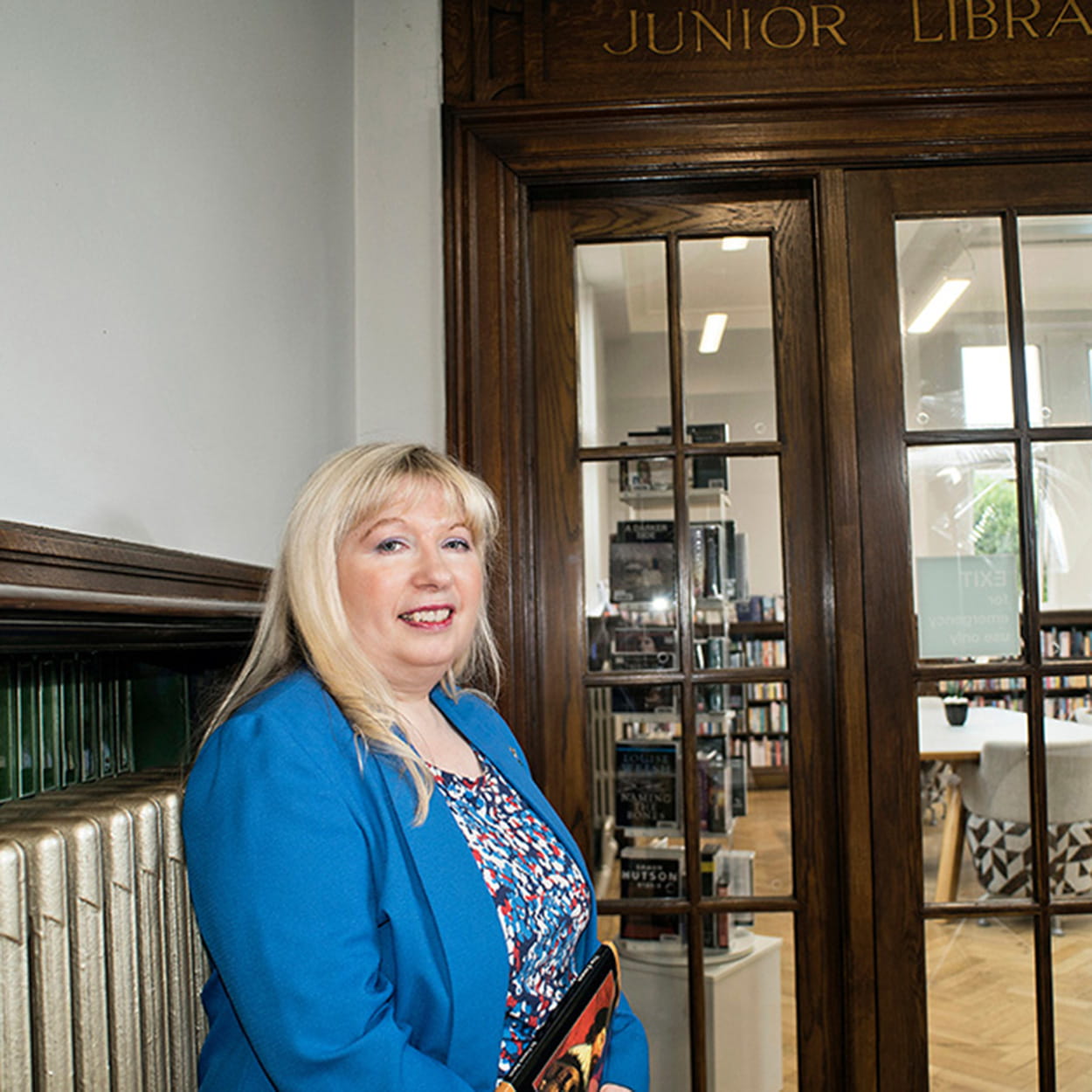
Helen is a director of the Universities Superannuation Scheme.
“I’ve loved being a solicitor and I want that option to be more easily available to others from less affluent backgrounds, bearing in mind the obstacles I had to face.
"The profession needs to reflect society at large and include a wide variety of entrants to get the best talent.”
Helen’s advice
“Not to be intimidated. You can be put down because of your background or accent, or something equally unfair.
"This ties in with one of my favourite quotes from Eleanor Roosevelt who said, ‘No one can make you feel inferior without your consent.’”
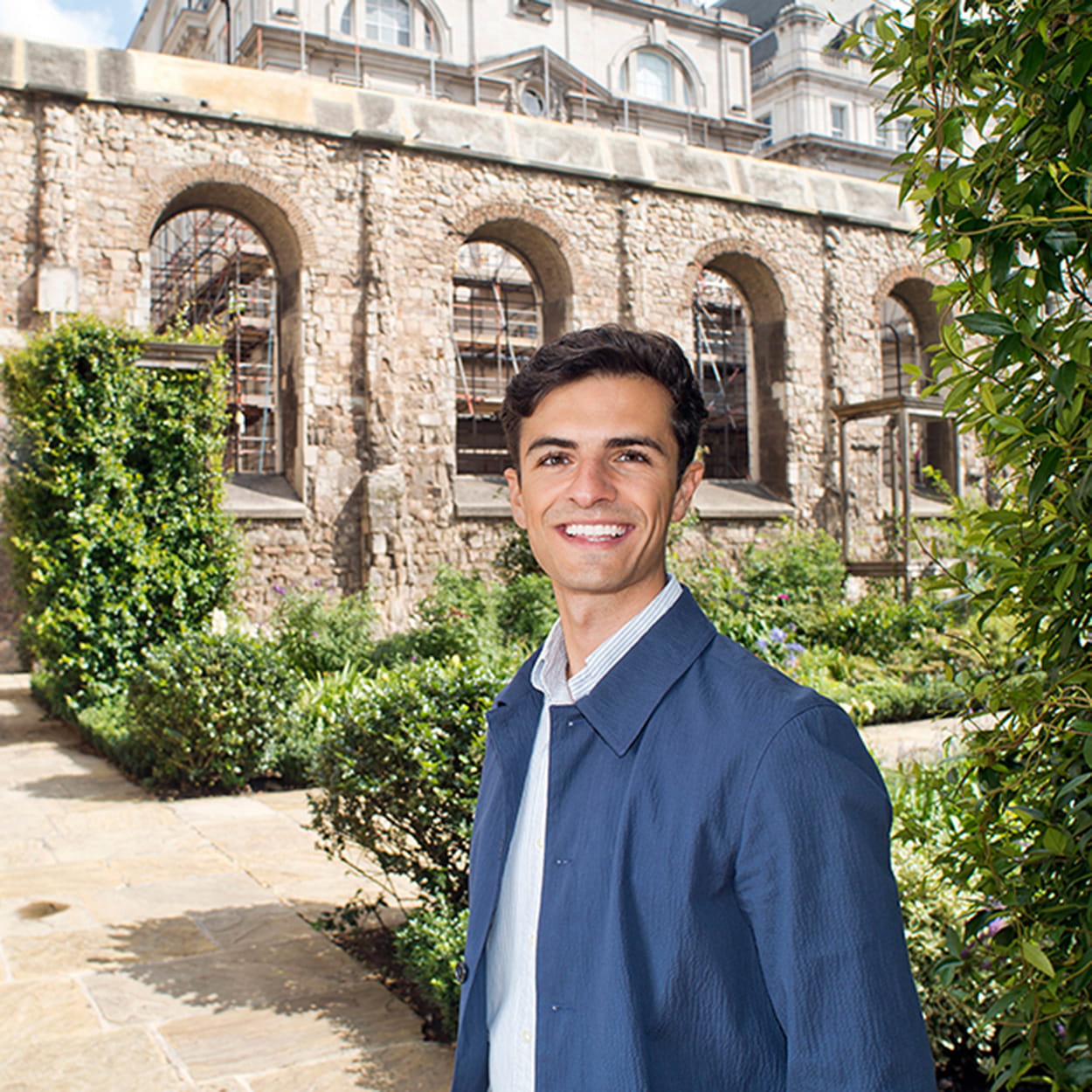
Justin is a senior manager at A&O Shearman and was a global DE&I ambassador.
“I was state school educated, first generation in my family to attend university and part of the LGBTQ+ community.
"I often walked into career networking events or university workshops and felt like there was no one in the room from my background.
"I hope to help change that for many students today and show that your background and differences are to be celebrated and seen as a strength.”
Justin’s advice
“I was told not to compare myself to others and focus on where I’m trying to go. Taking control of what my goals were and building upon my own strengths helped me both professionally and personally.
"I was better able to prioritise my own personal growth and career development and stop focusing on what those around me were doing.”
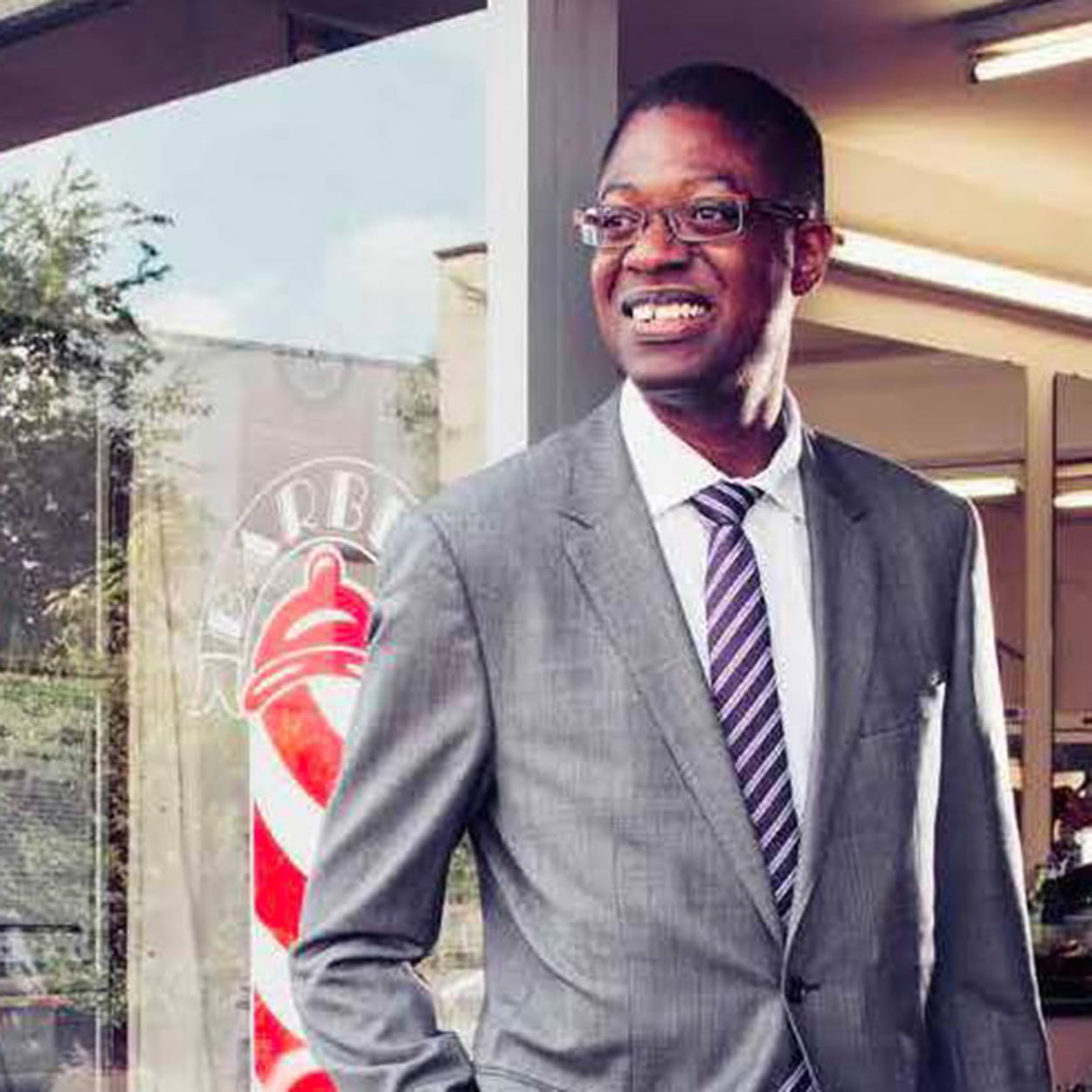
Karl is a partner at Clarke Wilmott.
“I found that mentoring assisted me in securing my training contract.
"Both of my parents came to England from Jamaica from quite a humble background. They were great role models and taught me to have a strong work ethic, but they had no connections with the legal profession.
"After my degree, I was fortunate to be introduced to a black partner at a local firm who went on to become my mentor.”
Karl’s advice
“Have resilience. You’ve got to be prepared to be determined and overcome hurdles.
"I would also suggest trying to take advantage of any groups that might be available to provide assistance or connections to potential mentors.”
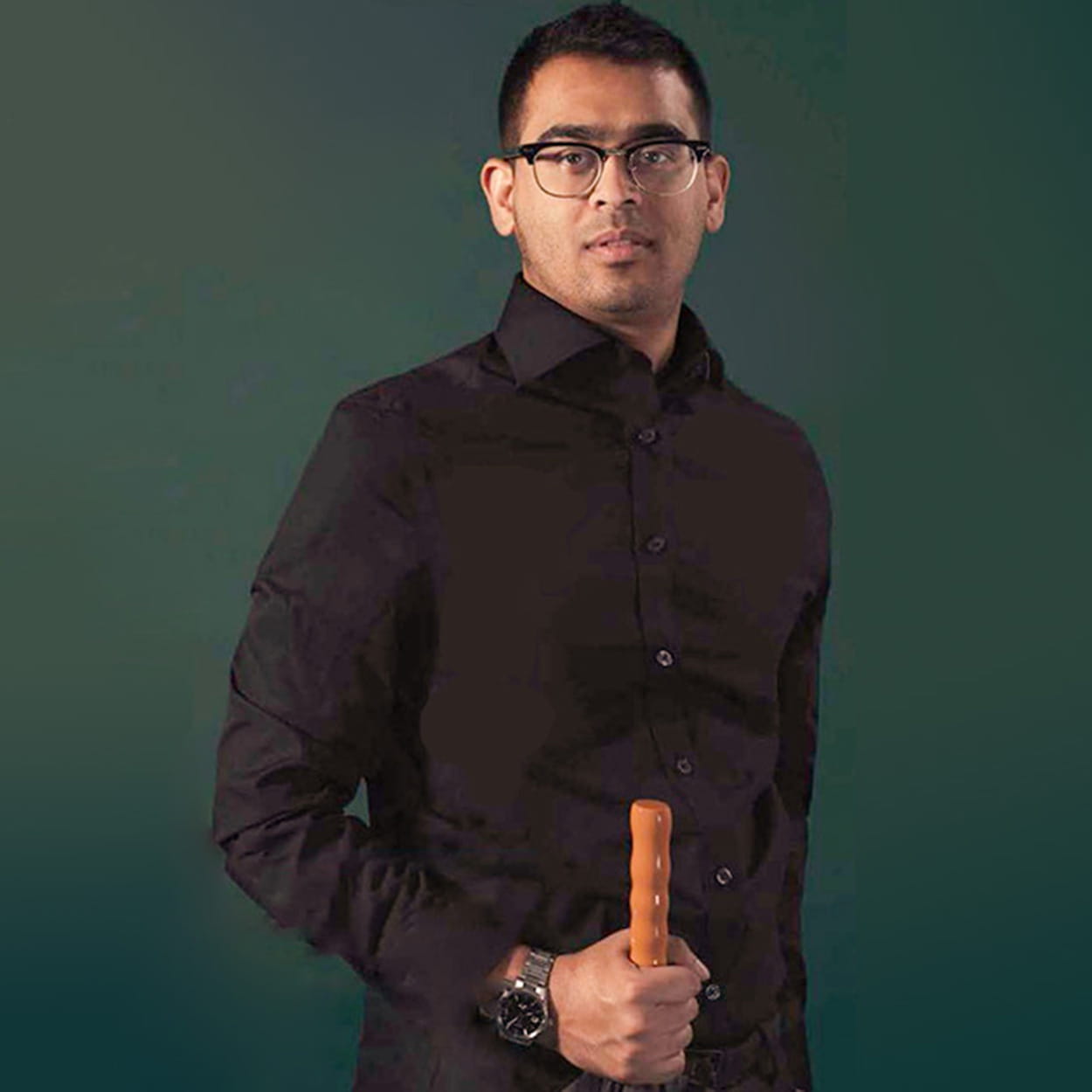
Kawsar is a barrister at No5 Barristers’ Chambers.
“We need to improve social mobility and fair access opportunities for disadvantaged candidates in the same way we campaign on issues such as climate change.
"It is a threat to our society and country when the potential of our next generation is not fully realised.”
Kawsar’s advice
“Always persevere and think of your ultimate goal. I have faced a countless number of personal, academic and professional challenges, but I have taken each as a development opportunity to grow and constantly improve myself.”
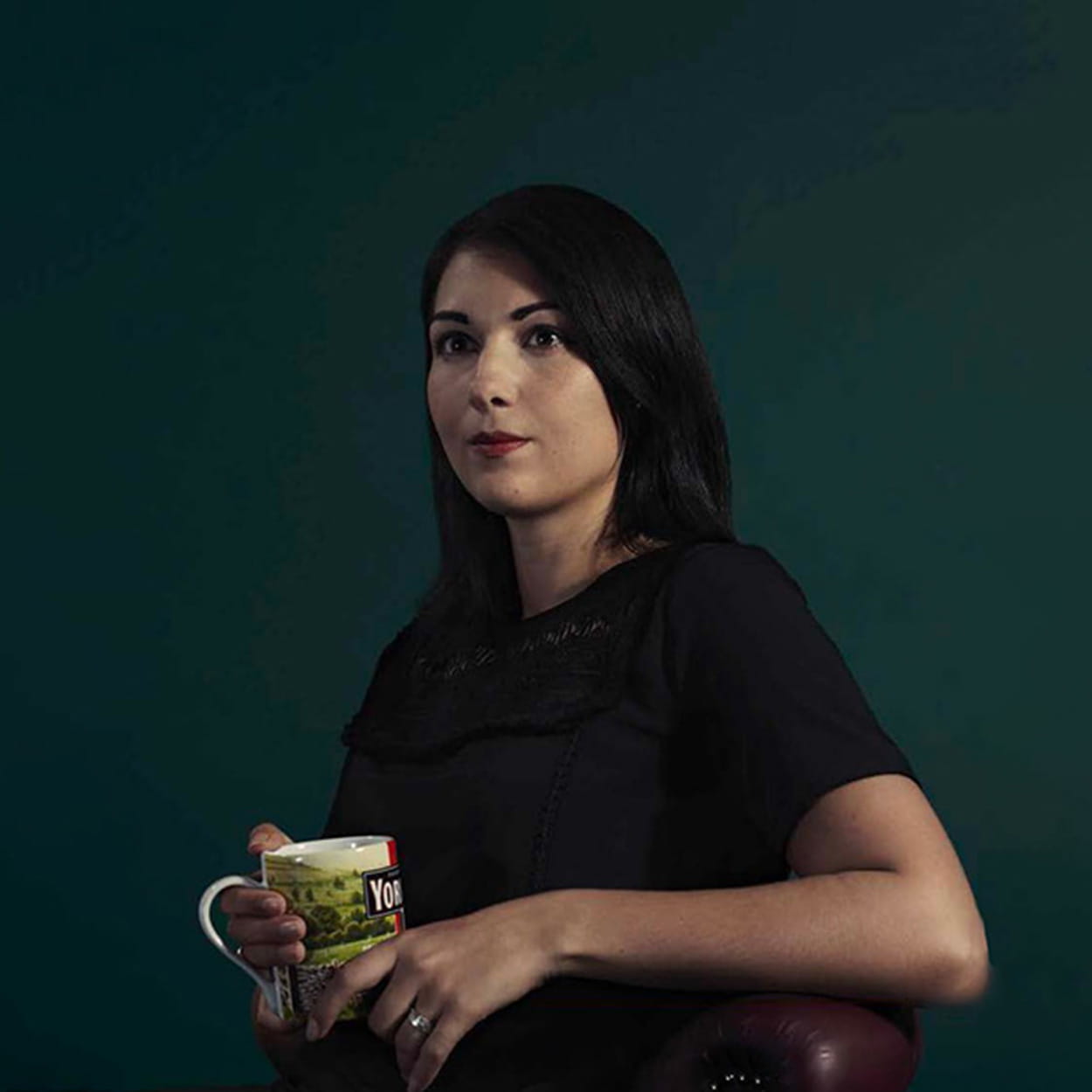
When she was an ambassador, Kira was a senior commercial and corporate legal counsel.
“I am part of many diversity segments: socio-economic, ethnic, gender and sexuality. As a later entrant to the profession, I will always feel that bit behind and worry that I may never achieve my full professional potential.
"The main issue I faced was the lack of support and role models; a programme like this would have been a lifeline for me.”
Kira’s advice
“I would advise anyone who is thinking of a career in law to never give up, to always think outside the box, to find a support network and to always be true to themselves.
"No matter how far you stray from the ‘normal’ path, the end result is the same and is always one to be proud of.”
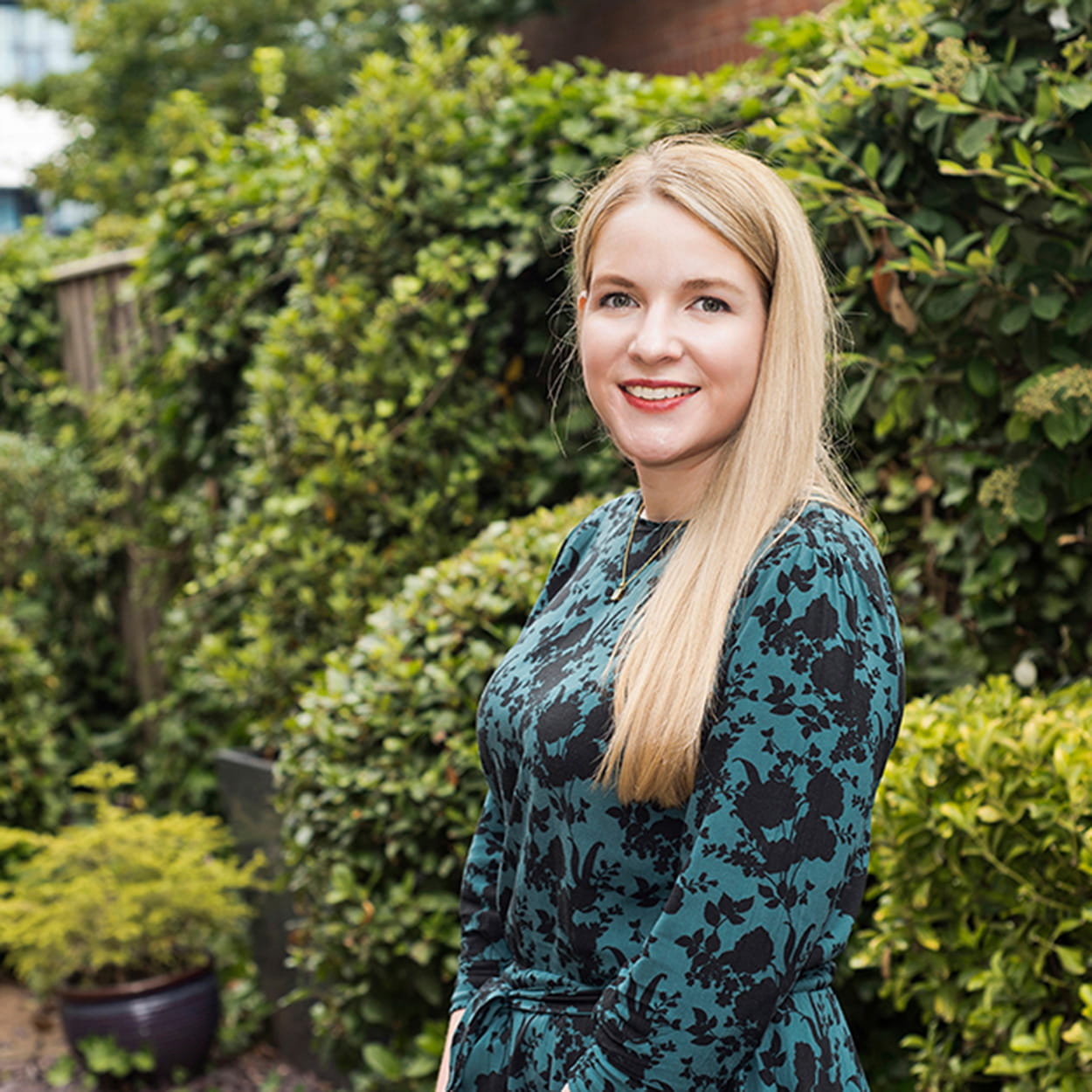
Lynette is an associate at Browne Jacobson LLP.
“I was often fighting against thoughts of whether I was the right fit for a legal career as I had not followed a traditional path of A-levels to university and had joined when I was classified as a ‘mature student’.
"Fortunately, the strong support network I built really helped me through these times.”
Lynette’s advice
“I realised that I did not go into law to escape from the world I knew, and my energy was wasted trying to fit in.
"The two worlds I knew (my background and the profession) could merge. My neurodiversity and the challenges I had overcome were strengths, as during times of struggle I had unknowingly developed skills that I could bring to the profession.
"In short, don’t be afraid to look at what makes you different and stand out when looking for your strengths.”
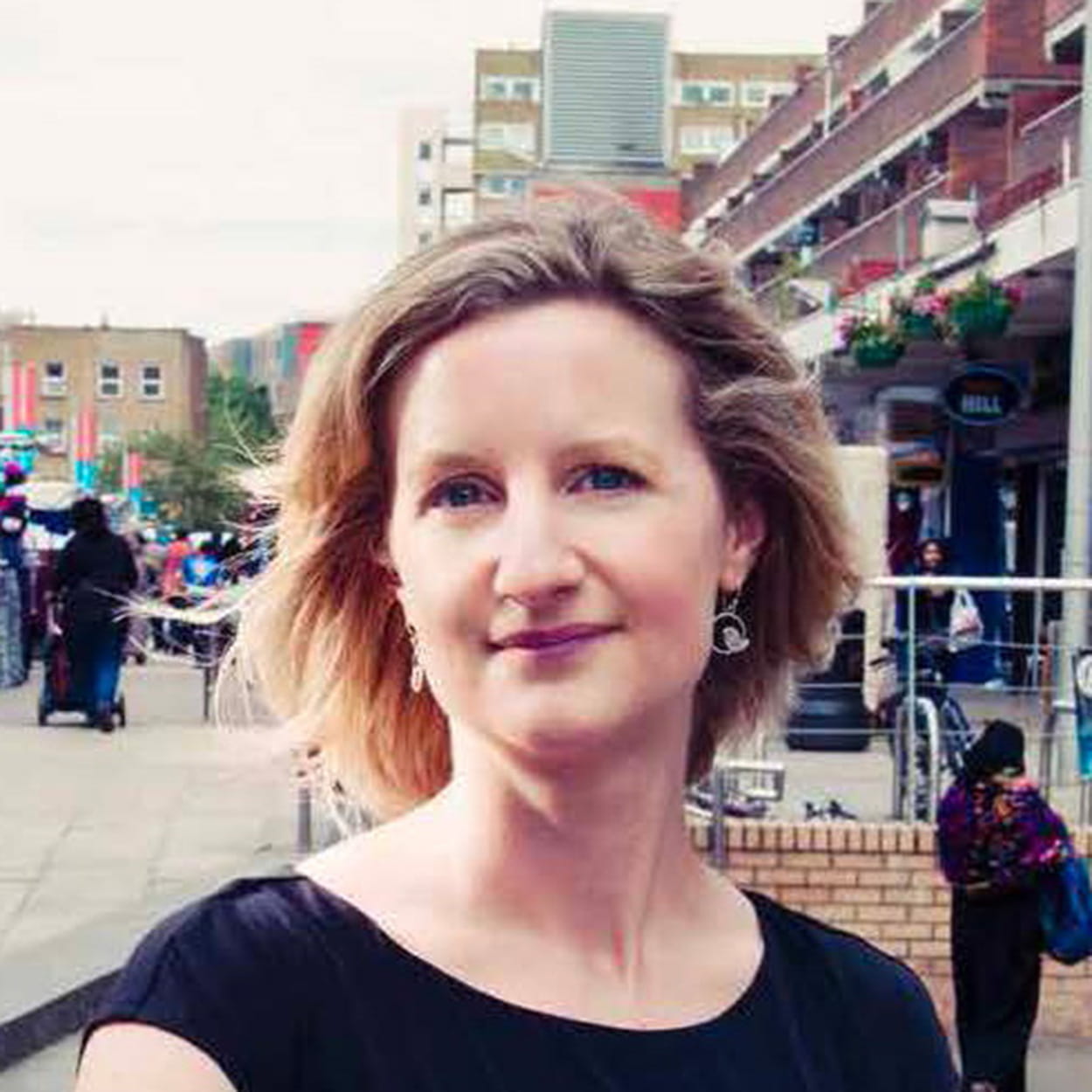
Melanie is a senior lawyer at the Government Legal Department.
“I come from a small town in Lincolnshire from a working class family. My parents thought that getting good results at university was enough and I had no reason to doubt that theory.
"I did my Legal Practice Course at Nottingham and finished without a training contract. I started to doubt my career choice but pushed on.”
Melanie’s advice
“You need to be prepared to work very hard and you need to be enthusiastic about everything even if you’re not enjoying it at that time, because you never know where that path is going to actually take you.”
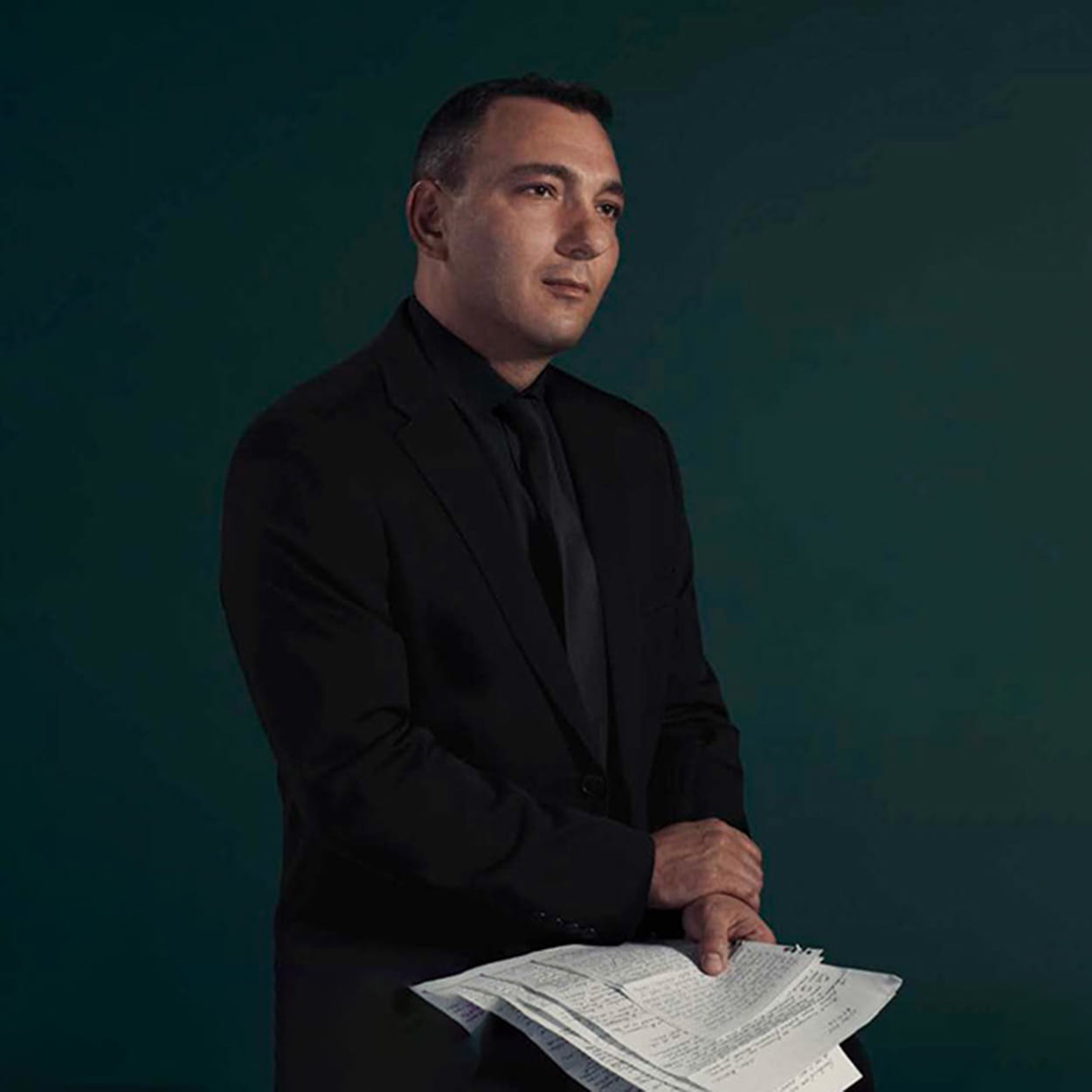
Mihail is a notary public at Notary 21 Ltd.
“My mother’s letters kept me on the right path. Whenever I need inspiration or guidance, I take a moment and read one of her letters.
"I always wanted to make something of my life, to make my family proud and for my children to look up to me. I had such a desire to do well and show other people it can be done.
Mihail’s advice
“Joining the profession may seem like an impossible task, but don't lose focus on what you want to achieve. Find your inner power, decide what you want to do and move forward. If I've done it, you can do it too.”
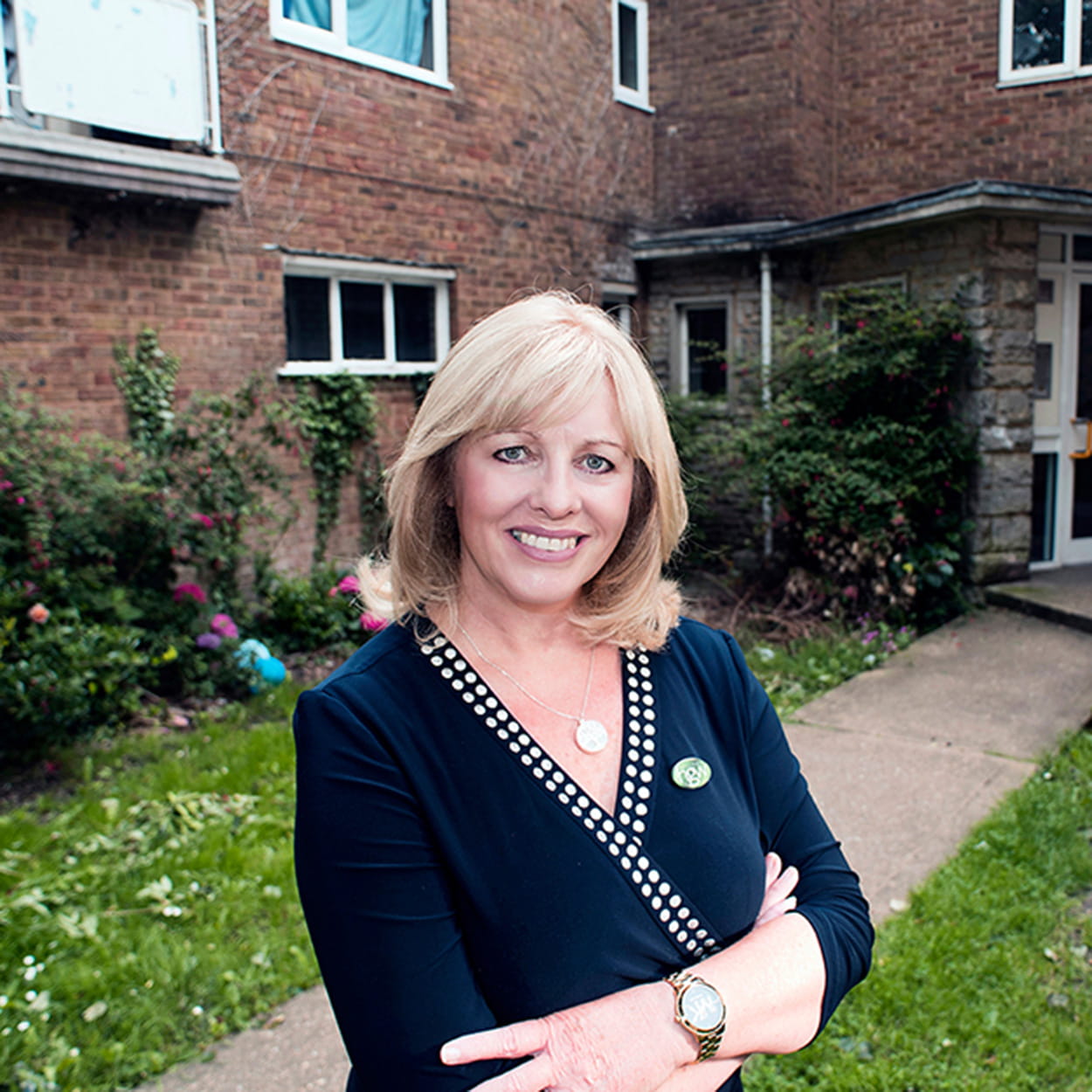
Nicola is a managing partner at Harold G Walker Solicitors.
“I was a mature student and the access to higher education course gave me the qualifications to apply for a place at university.
"All the lecturers were very supportive but one in particular encouraged me to apply to study law. I had no confidence or self-esteem but her belief in me gave me the confidence I needed.”
Nicola’s advice
“To be a good solicitor you need to have good listening and communication skills.
"Some of my best trainees may not have obtained a first-class honours degree but they have strong critical thinking skills, a logical mind and a great deal of common sense.”

Prisca is an associate at White & Case.
“I had a full-time job at a phone shop through my conversion course and masters. That instantly puts you at a disadvantage in terms of time you have to dedicate to your course versus needing money to pay for the course.
“It definitely builds your resilience, organisational skills and people skills in so many ways that I tend to look back and see it as a positive. It is all worth it in the end.”
Prisca’s advice
“Do what you enjoy and you will do it well.”

Qalid is a senior managing associate at Sidley Austin LLP.
“I was not conscious of how difficult it was to get a start in the legal profession. I operated with the mindset that the harder you work, the luckier you are likely to get; I still do.
“I later learned that having access to the right role models and mentors can impact your career prospects just as much.”
Qalid’s advice
“A former trustee at the Social Mobility Foundation would often say to me that to be successful in life takes not only hard work, but to continually push your limits past your comfort zone. Otherwise, you will eventually come to a halt.
“I keep that advice close to me as a reminder that saying yes to seemingly challenging opportunities will ultimately advance my career.”

During her time in the scheme, Salma was a partner at Thrings.
“I am a daughter of immigrants, attended a state school, did not attend a Russell Group university, had no connections to secure a training contract whilst studying and sent out over 100 training applications before securing a training contract.
"Despite these hurdles, I successfully qualified into the law, changed my area of practice, raised a family and survived the 2008 property crash.
"I want to inspire those who face similar hurdles to show them that irrespective of background, if you persevere you will succeed.”
Salma’s advice
“I will always remember the first day of my training contract, when the opening words of my principal were ‘the training you will receive here is akin to that of a boot camp. If you hit a roadblock, find a way to get through it or around it and always look for practical/commercial solutions, not just the legal ones!’”
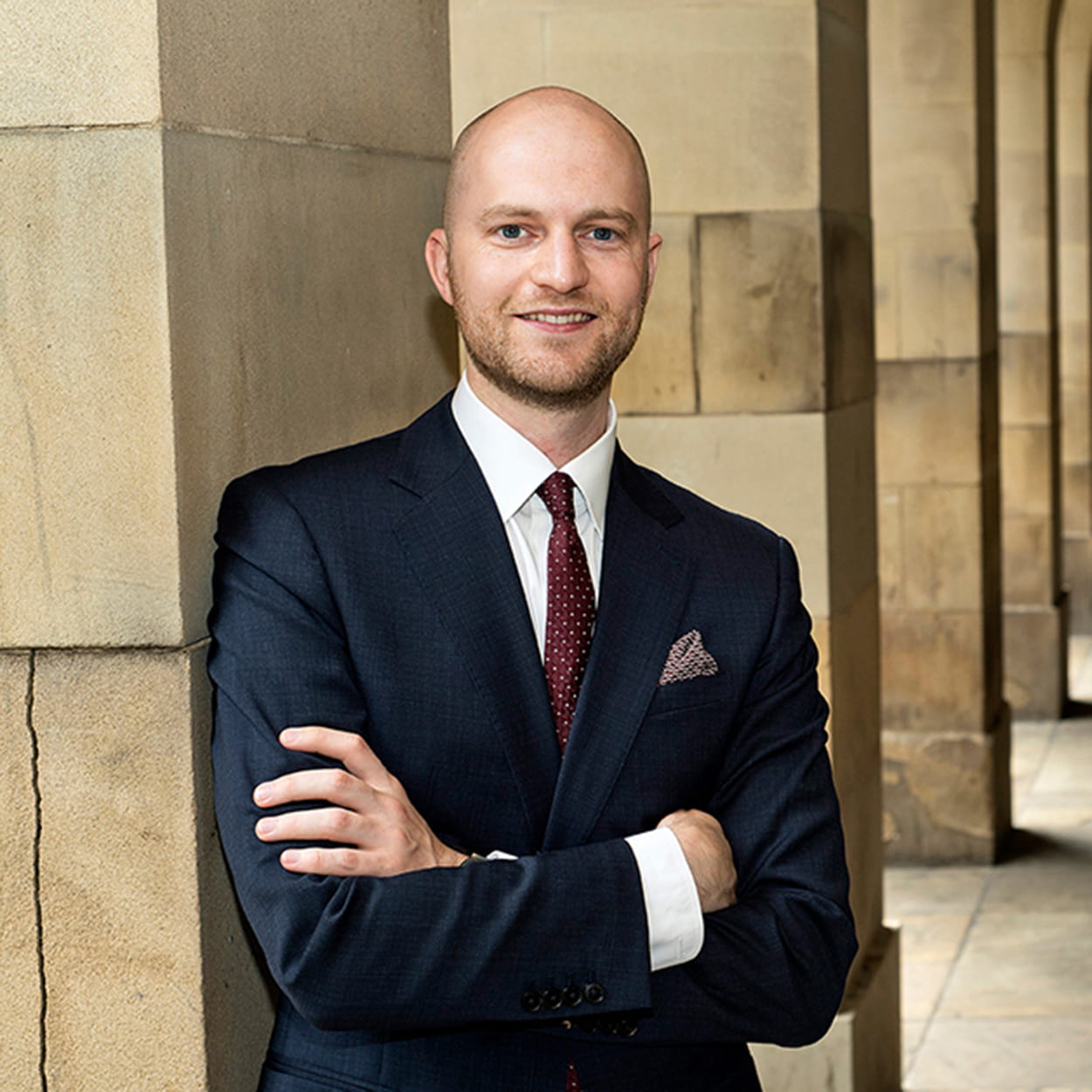
While he was an ambassador, Sam was a partner at Counterculture LLP.
“I was terrified I had jumped into something I wasn’t prepared for and was already ‘way behind’ the other students who all seemed to have their careers mapped out.
"Growing up, I didn’t know any lawyers and I was the first generation in my family to go to university. I had to accept it was just going to take me longer to network, build up contacts and get work experience.”
Sam’s advice
“You really don’t know where opportunities can lead, so I would encourage people not to focus too much on one direction too early.
“Some things take longer and take a more winding route – and that’s fine! It’s the journey that makes it!”
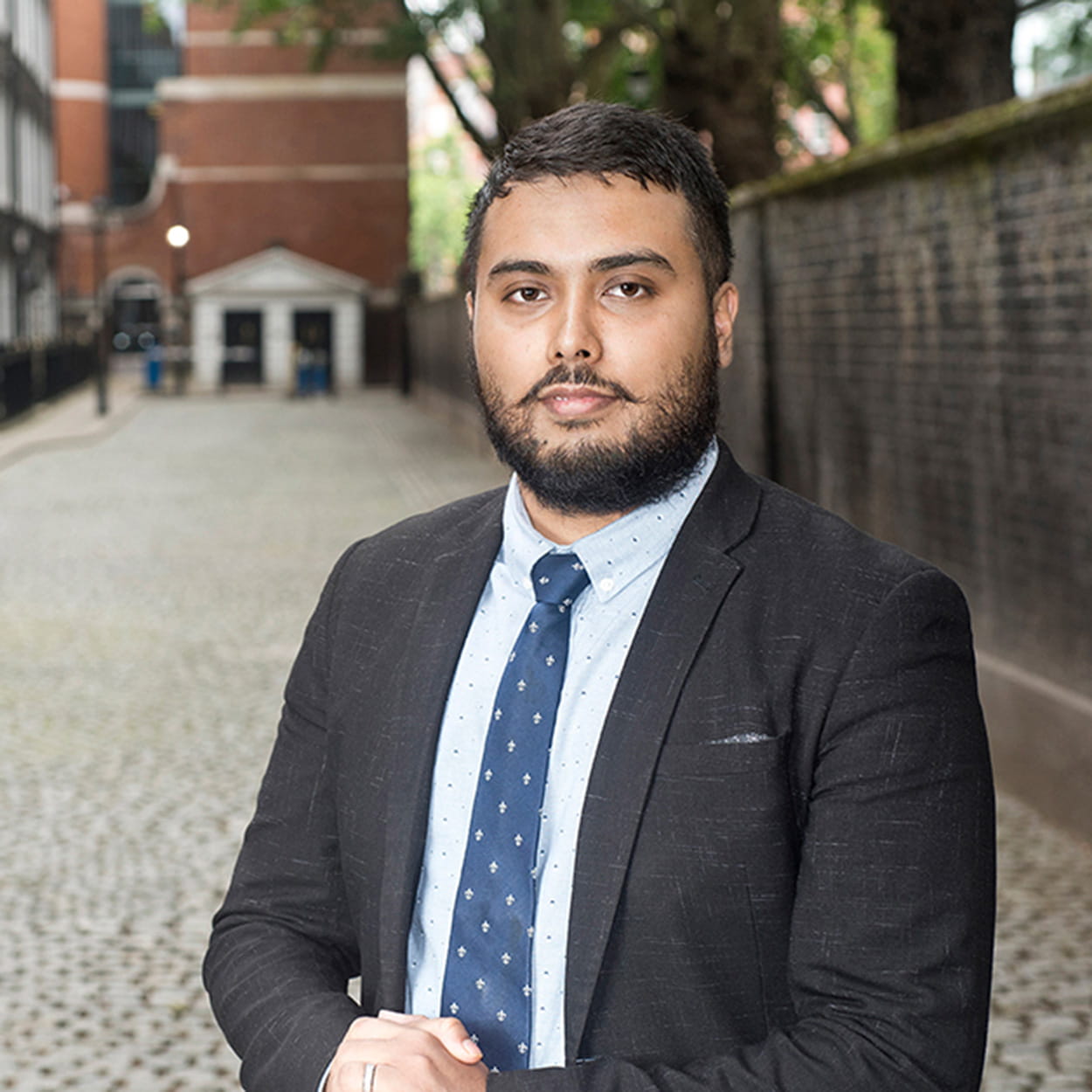
Shaheen is the director of Black Antelope Law.
“Being a first-generation lawyer of an ethnic background and the first individual in my family to graduate university, I stepped into a career that from the outset seemed daunting and challenging.
“I did not have the benefit of previous connections in the legal field and had to forge my own path through perseverance and hard work.”
Shaheen’s advice
“It took me a year to land a good role in law after graduation. A panelist at a Law Society Junior Solicitors Network event gave a talk that spoke to me.
“He said: ‘When opportunities don’t come your way, create them’.
“You will receive career advice all your life, but ultimately, what you do with it is what matters most. Taking action is the best way to create changes, and I’m glad I did.”
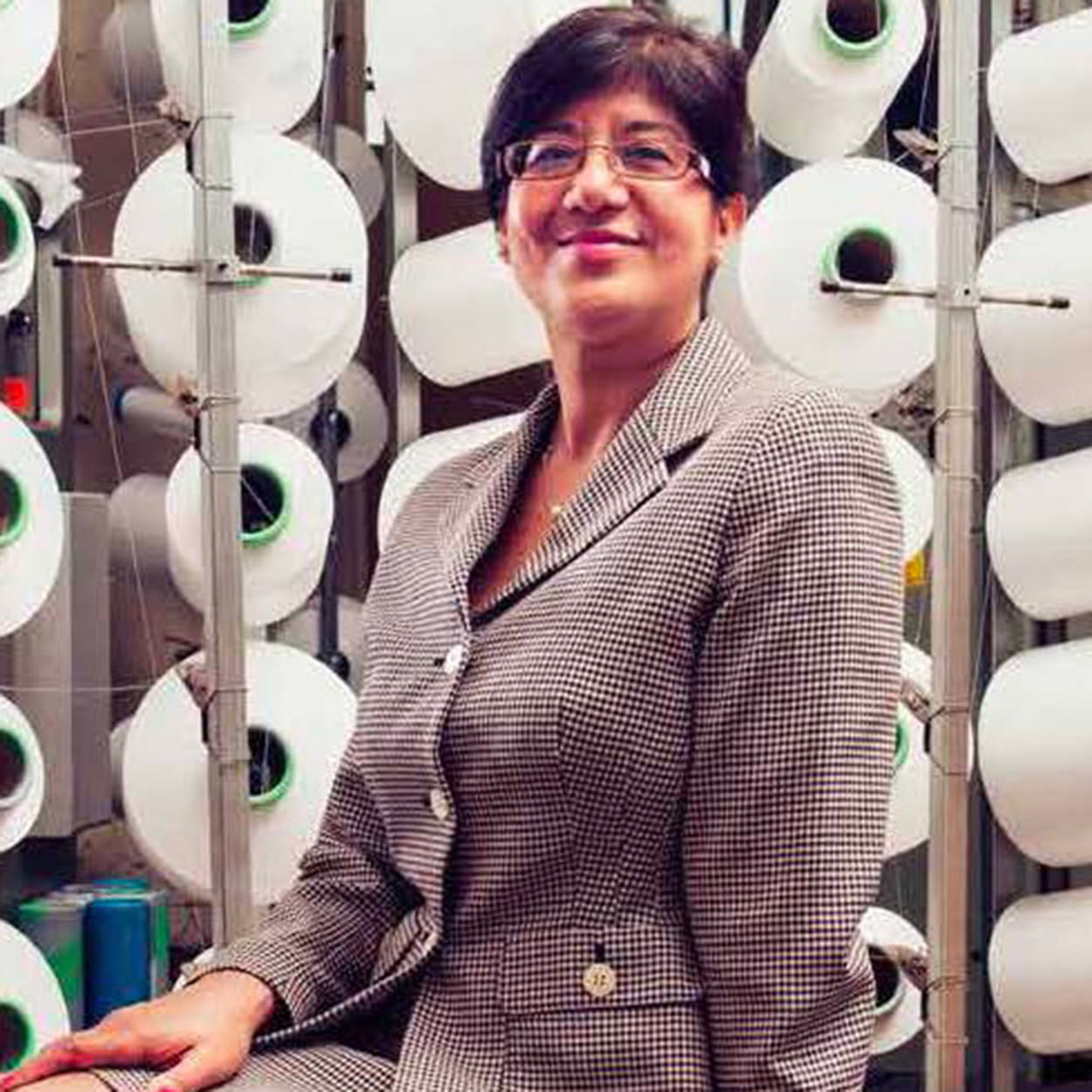
Shama is a senior associate at Freeths LLP.
“I think my experience of the discouragement I received for not studying further because I was an Asian girl developed in me a strong sense of fairness, justice and principles.
"That also fired in me an ambition to prove that I could achieve academically just as well as anyone else.”
Shama’s advice
“You only have one life and if you want a career, have one. You need to understand your needs, set yourself goals and set them high, be confident and positive, and don’t give up easily.
"Life is full of all kinds of obstacles – financial, cultural, personal, health problems – the list is endless. See the obstacles as challenges and set yourself a goal to overcome them. I did.”

Tan is a district judge (magistrates’ court).
“I wanted to be the voice of people like me within the firm and saw the opportunity to continue fighting for justice when I saw an advert for judicial office.
“In those days, I had no idea how to become a judge and honestly thought it was for clever barristers from posh universities. I didn’t see any role models or judges from my ethnic background.”
Tan’s advice
“Law is competitive. You need to think about what you can bring to a law firm and how you can add value to that firm.
“You should try your best to get good grades but remember it also goes beyond getting high marks.
“Think carefully about what else you have achieved and how you can demonstrate this to future employers. You need to bring something from outside the classroom and you also need self-belief.”
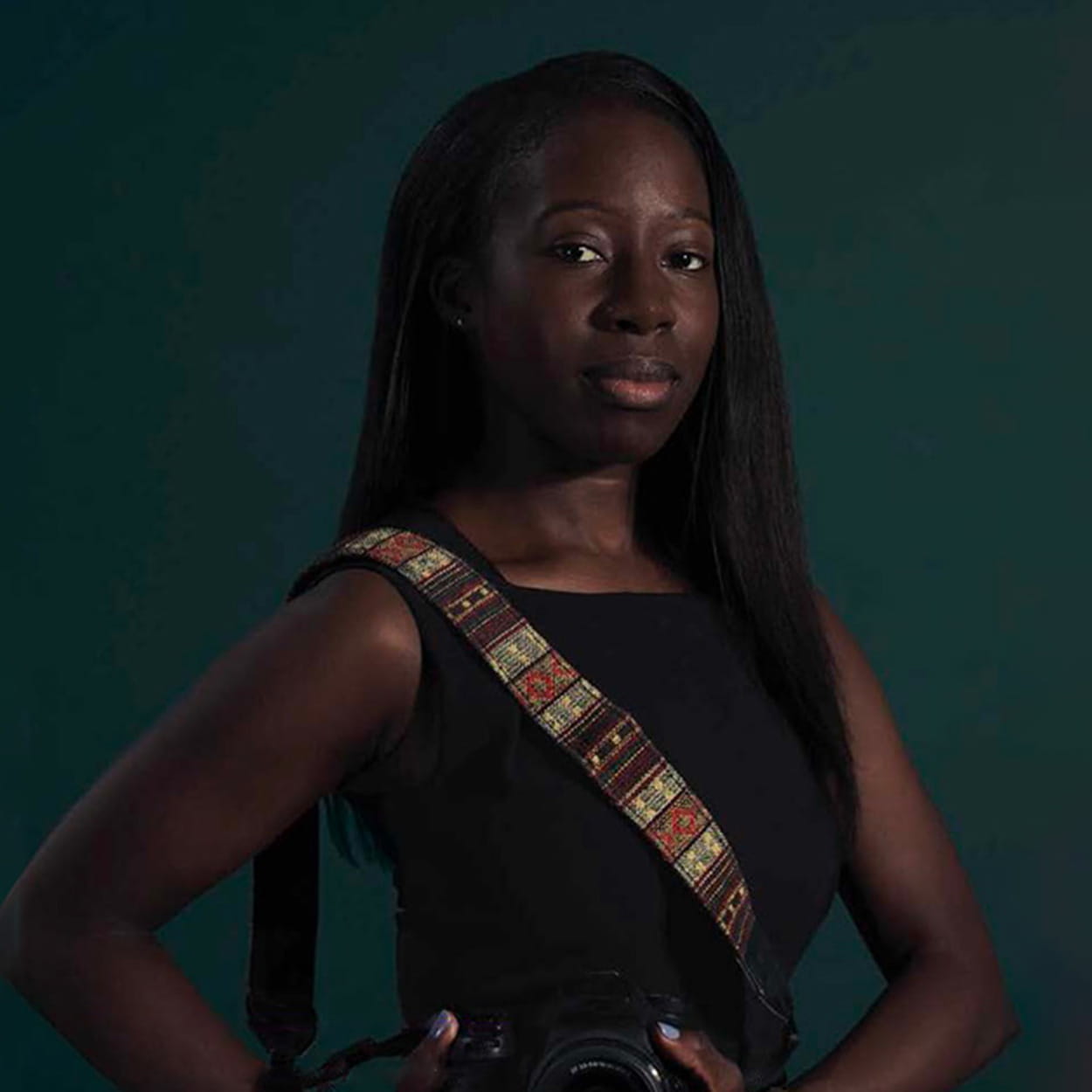
Whitney is a senior associate at Mayer Brown.
“Whilst all these obstacles have made my entry into the legal profession a challenge, by far it’s been my lifelong diagnosis of sickle cell disease which has been the most significant barrier.
“It took support from my hospital consultants and doctors to help me get through university. Nevertheless, I was persistent with my applications. I was eventually fortunate enough to secure a training contract.”
Whitney’s advice
“I would advise anyone with a serious medical condition to think carefully about what additional support you’ll need before pursuing a career in law and not to be afraid to request it.
“For those from a minority or state school background, be persistent with your applications. Where you lack academic qualifications or work experience, find new and innovative ways to demonstrate the alternative skills you can bring to the profession.”